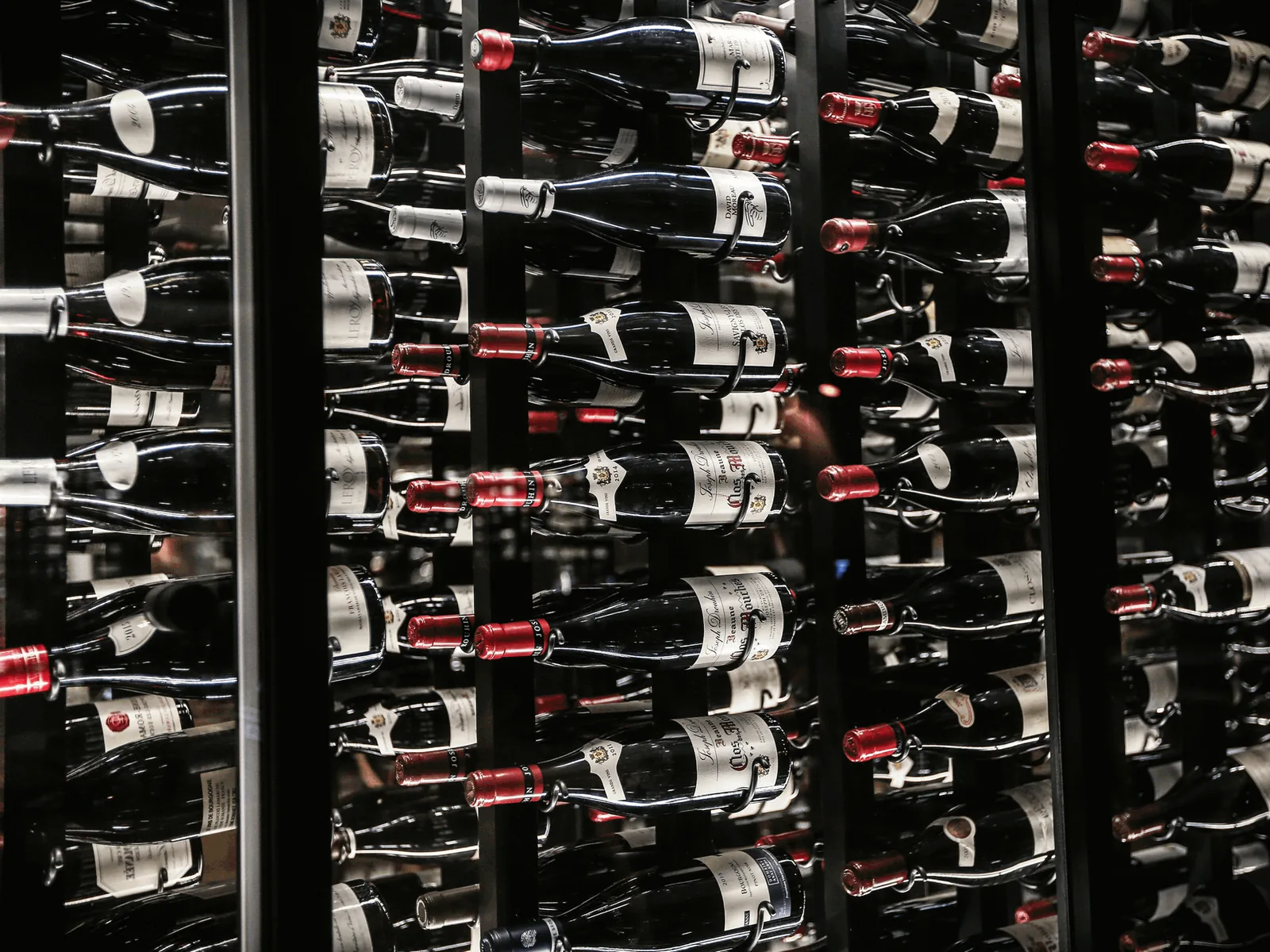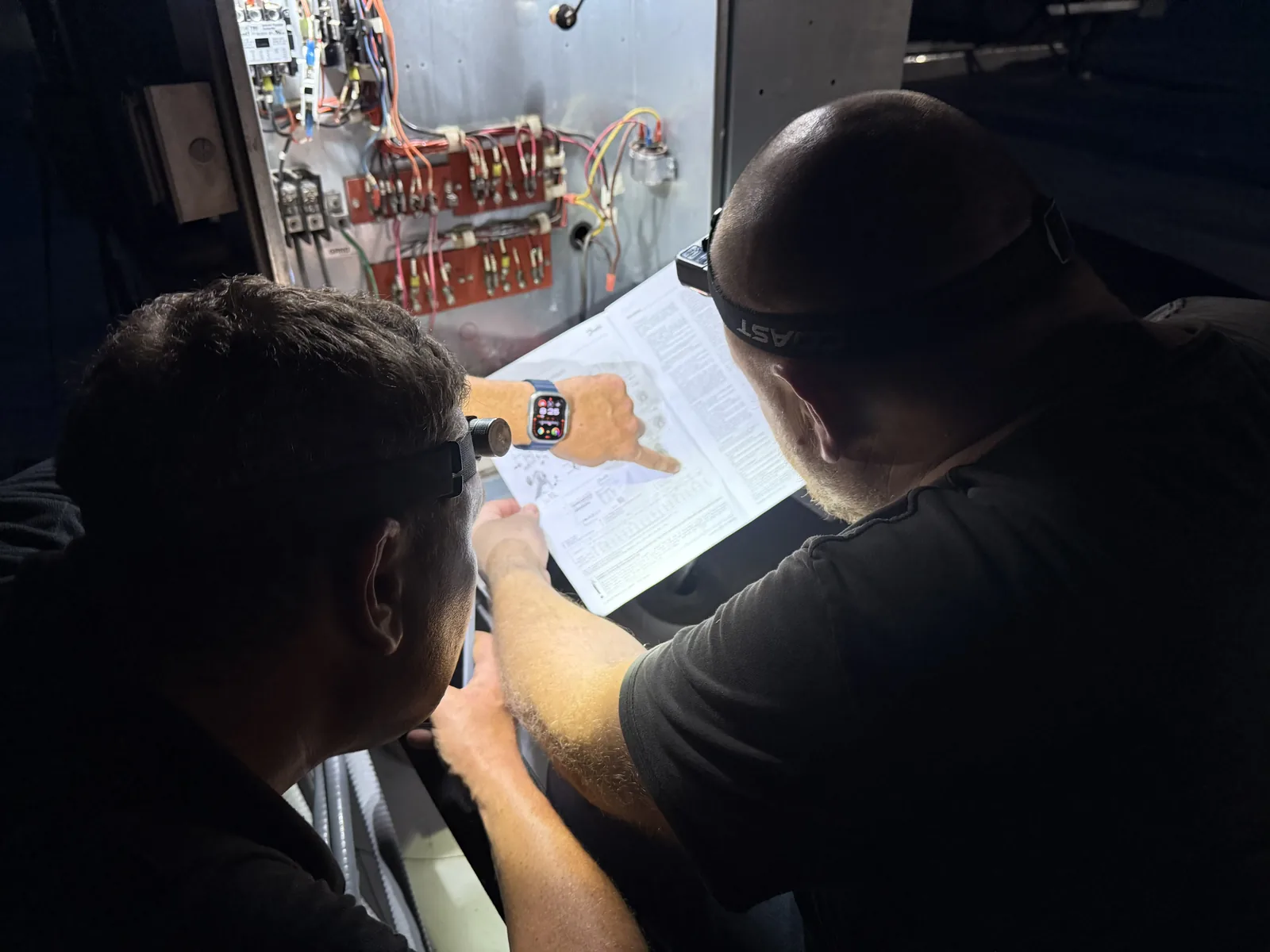

To figure out why a wine cooler is not cooling, start by identifying which of the two cooling technologies it uses, because they fail in completely different ways. Compressor units fail like small refrigerators: fans, relays, thermostats, and eventually sealed-system problems. Thermoelectric units fail like electronics: fans and Peltier modules that quietly fade. Built-in installations add a third failure mode, ventilation, that produces warm wine with no broken part at all. Here is how to tell them apart and what each symptom means.
First, identify what you own
Listen and look. A compressor unit hums and vibrates faintly when running, and the back of the cabinet has a recognizable compressor bulge or a vented machine compartment. A thermoelectric unit is nearly silent except for fan noise, is usually a smaller countertop or slim cabinet, and has a finned heat sink with a fan on the back. The distinction matters because it sets the limits of the machine: thermoelectric coolers can typically pull only about 20 degrees below the surrounding room, while compressor units can hold cellar temperature in a warm room.
Checks that apply to every wine cooler
- Confirm power and settings. Displays get bumped, children discover buttons, and some units have a lockout or Sabbath mode that suspends cooling displays.
- Check the door. A door left ajar overnight, a worn gasket or a cabinet leaning forward so the door drifts open will beat any cooling system. Close the door on a strip of paper and feel for grip.
- Give it time after any change. A fully loaded cabinet can take the better part of a day to settle after a power loss or a setpoint change.
- Feel for airflow. Interior fans circulate air in most units; a dead internal fan leaves the top shelves warm while the sensor near the coil reads cold.
Thermoelectric units: the module and its fans
A thermoelectric cooler works by running current through a Peltier module, which moves heat from the inside face to an external heat sink. There is no refrigerant and almost nothing mechanical, so the failure list is short: the fans that move air across the two heat sinks, and the module itself.
When the exterior fan stops or the heat sink mats over with dust, the module cannot shed heat and the interior temperature climbs toward room temperature. When the module itself degrades, which it does gradually with age and heat, the unit still runs, the fans still spin, and the cabinet just never gets properly cold. Remember the 20-degree limit too: a thermoelectric cooler in a Florida garage or a sunny kitchen corner is being asked to do something it physically cannot. If the unit is clean, the fans spin and the room is reasonable but the cabinet will not reach setpoint, the module is the suspect.
Compressor units: refrigerator failures in miniature
Compressor wine coolers share their anatomy with refrigerators, and they fail the same ways. In rough order of likelihood and cost:
- A condenser clogged with dust, or a failed condenser fan, so the unit cannot reject heat. The telltale is a unit that runs constantly, feels hot at the back and loses ground on warm days.
- A failed evaporator or circulation fan, giving uneven temperatures shelf to shelf.
- A failed start relay or capacitor: the unit clicks, tries to start, and gives up. Cheap parts, quick fix.
- A faulty thermistor or control board, producing wild swings or a unit that refuses to run at all.
- A sealed-system fault: lost refrigerant charge or a weak compressor. The unit runs endlessly, sounds normal and cools barely or not at all. This is gauge-and-certification work, not a cleaning problem.
Built-in units: ventilation is the silent killer
A built-in or undercounter wine cooler is designed to breathe through a front grille, taking in room air low and discharging warm air at the toe kick. A freestanding unit, by contrast, vents through its back and sides and needs open clearance around it. Put a freestanding unit inside cabinetry and it slowly suffocates: the warm discharge air recirculates into the intake, the condenser runs hotter and hotter, and the cabinet creeps warm even though every component works.
Even true built-ins suffer when the front grille is blocked by a new toe kick, carpet or years of dust felt. If a built-in unit cools poorly and the grille area feels hot, clean the grille and condenser before assuming a breakdown. And if a cooler failed shortly after a kitchen remodel enclosed it, the remodel is the prime suspect.
Repair or replace a wine cooler?
Be honest about the unit's class. A small thermoelectric countertop cooler is priced as a disposable appliance, and a service visit often approaches its replacement cost; when the module fades, replacement is usually the rational answer. Compressor units justify repair far more often, and built-in wine columns from premium brands almost always do: they are expensive, they are integrated into cabinetry sized exactly for them, and their common failures, fans, relays, sensors and dirty condensers, are all fixable. The same repair-first logic from our commercial work applies at home: fix the failed part when the unit has years left, and say so plainly when it does not.
When to bring in a technician
Call when the checks above leave you with a unit that runs but will not cool, cycles oddly, trips breakers or has a compressor that will not start. Doctor Fridge repairs built-in and freestanding wine coolers across Sarasota, Manatee and Charlotte counties, all makes and models, alongside full wine cellar cooling repair for walk-in cellars and wine rooms. The residential wine service call is $150, the repair is quoted before any work begins, and the work is backed by a parts and labor warranty. Florida license CAC1815692.