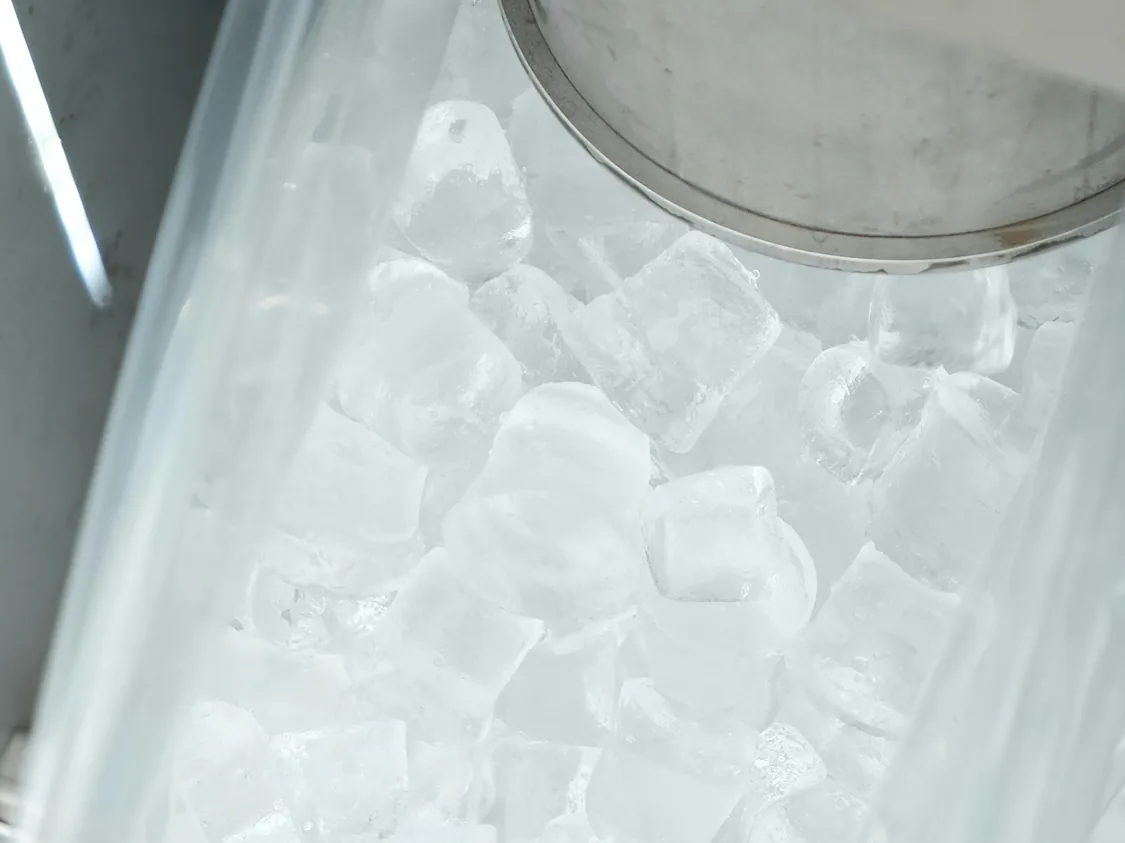
Ice is food. That is not a slogan, it is how the food code classifies it, which means the machine that makes it is food equipment and gets inspected like any other food-contact surface. A commercial ice machine needs a full cleaning and sanitizing at least every six months, more often in most Florida kitchens, and wiping out the bin does not count. Here is the schedule that actually keeps a machine clean, what a proper cleaning involves, and why slime in the bin is a health-code problem long before it becomes a mechanical one.
Why slime is a health-code problem, not a cosmetic one
The pink, grey or black film that shows up in ice machines is biofilm: colonies of bacteria, mold or yeast living in a self-made protective layer on wet surfaces. An ice machine is a warm-adjacent, dark, permanently wet box fed by nutrient-carrying air from your kitchen, which makes it an ideal habitat. Once biofilm establishes, every batch of ice slides past it on the way to the bin, and that ice goes into drinks served to customers.
Inspectors know this, which is why they lift the bin lid and look up at the chute and the curtain. Visible slime or mold on a food-contact surface is a violation, and ice holds the awkward distinction of being the food everyone serves but few businesses think of as food. The practical rule is stricter than the official one:
If you can see anything in the bin besides ice and stainless steel, the machine was due for cleaning weeks ago.
How often a commercial ice machine needs cleaning
Manufacturers generally require a full clean and sanitize at least twice a year to keep warranties intact. Treat that as the floor, not the target, and adjust for your environment:
- Twice a year: the minimum for a machine in a clean, air-conditioned space with filtered water.
- Quarterly: the realistic schedule for most restaurants and bars in Southwest Florida, where humidity, long cooling seasons and hard water all work against you.
- Monthly to every other month: anywhere airborne yeast and flour live, which means pizzerias, bakeries and breweries. Yeast colonizes ice machines remarkably fast, and these are the machines where slime returns weeks after a cleaning.
- Water filters: every six months, or sooner if cube size and clarity are already declining. Scale inhibitor cartridges on the same schedule.
Wiping the bin is not cleaning the machine
The bin is just storage. The ice is made upstairs, in the evaporator compartment, and that is where scale and biofilm do their damage: the water trough, the circulation pump, the distribution tube, the evaporator plate, the curtain and the chute. A machine can have a spotless bin and a thoroughly contaminated water system. If your cleaning routine stops at scooping out old ice and wiping the bin walls, the machine has never actually been cleaned.
What a full cleaning involves
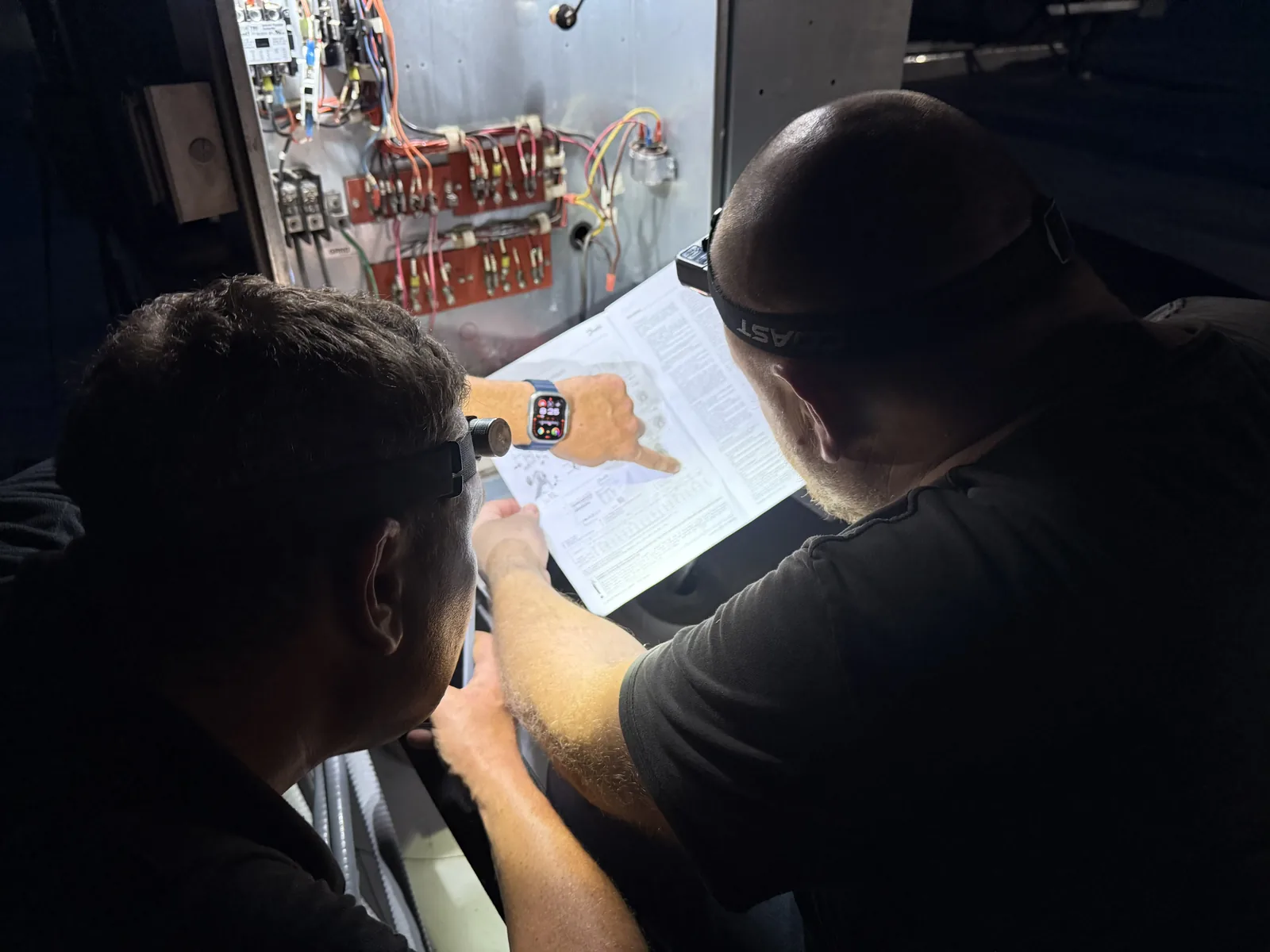
The exact sequence varies by manufacturer, and the machine's manual wins any argument with this list, but a real cleaning follows this shape:
- Shut off ice production, melt or remove all ice, and empty the bin. Ice made during cleaning carries chemicals and gets discarded.
- Run the machine's cleaning cycle with a nickel-safe scale remover dosed per the label. This dissolves the mineral scale on the plate and in the water passages.
- Remove the serviceable water-system parts: curtain, water trough, distribution tube, and wash them by hand.
- Sanitize: a second pass with a food-equipment sanitizer through the water system and across every surface ice touches, including the bin, chute and scoop holder.
- Clean the outside of the machine and the condenser coil. A dusty condenser does not contaminate ice, but it shortens the machine's life and cuts production.
- Replace the water filter if it is due, restart production, and discard the first batch of ice.
Plan for a couple of hours with the machine out of service, which is why cleanings get scheduled for slow mornings and why skipping them is so tempting. Put it on the calendar; the machine will not remind you until it is too late.
Maintenance that prevents the expensive calls
- Keep the condenser coil clean and the clearances around the machine open. Heat is the quiet killer of ice production.
- Change filters on schedule. Scale is cumulative, and a machine that runs on unfiltered hard water is pre-booking its own descaling visits.
- Fix small symptoms early: shrinking cubes, longer cycles, ice that will not release. Each is cheap to correct and expensive to ignore.
- Keep the scoop out of the bin and the bin door closed. Most contamination walks in rather than growing in.
When cleaning is not enough
Some problems look like dirt but are actually service calls. Slime that returns within a couple of weeks of a thorough cleaning usually means biofilm is established somewhere the cleaning did not reach. Scale that rebuilds quickly points at the water supply and filtration, not the cleaning schedule. And if production stays low after a full clean, the machine has a mechanical problem that was hiding behind the maintenance debt, covered in our commercial ice machine not making ice checklist.
Doctor Fridge provides commercial ice machine repair and deep cleaning across Sarasota, Manatee and Charlotte counties, including ice machine repair in Sarasota, for Manitowoc, Hoshizaki, Scotsman, Ice-O-Matic and Koolaire machines. The commercial service call is $150, same-day service is available, and the work carries a parts and labor warranty. Florida license CAC1815692.