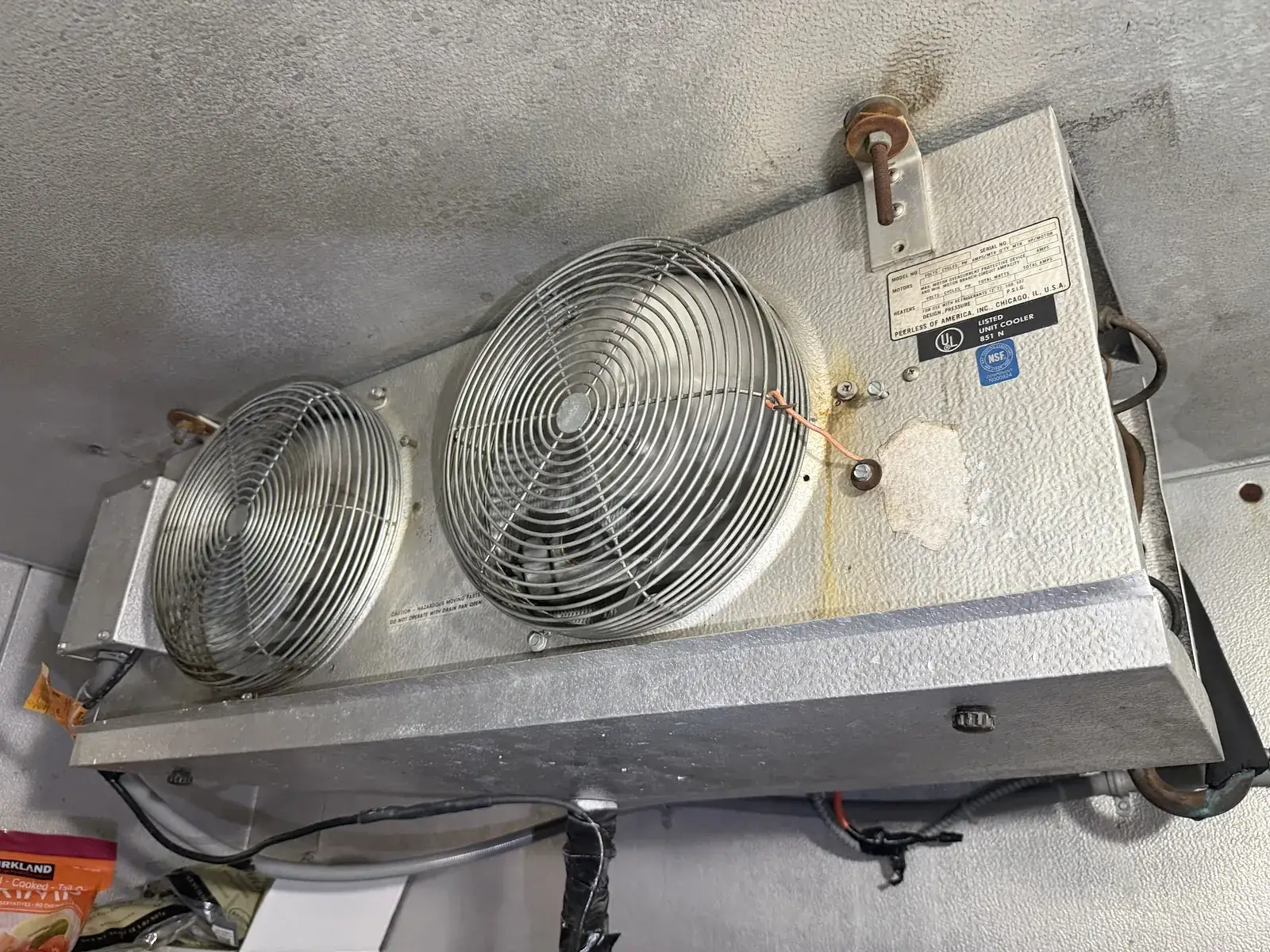
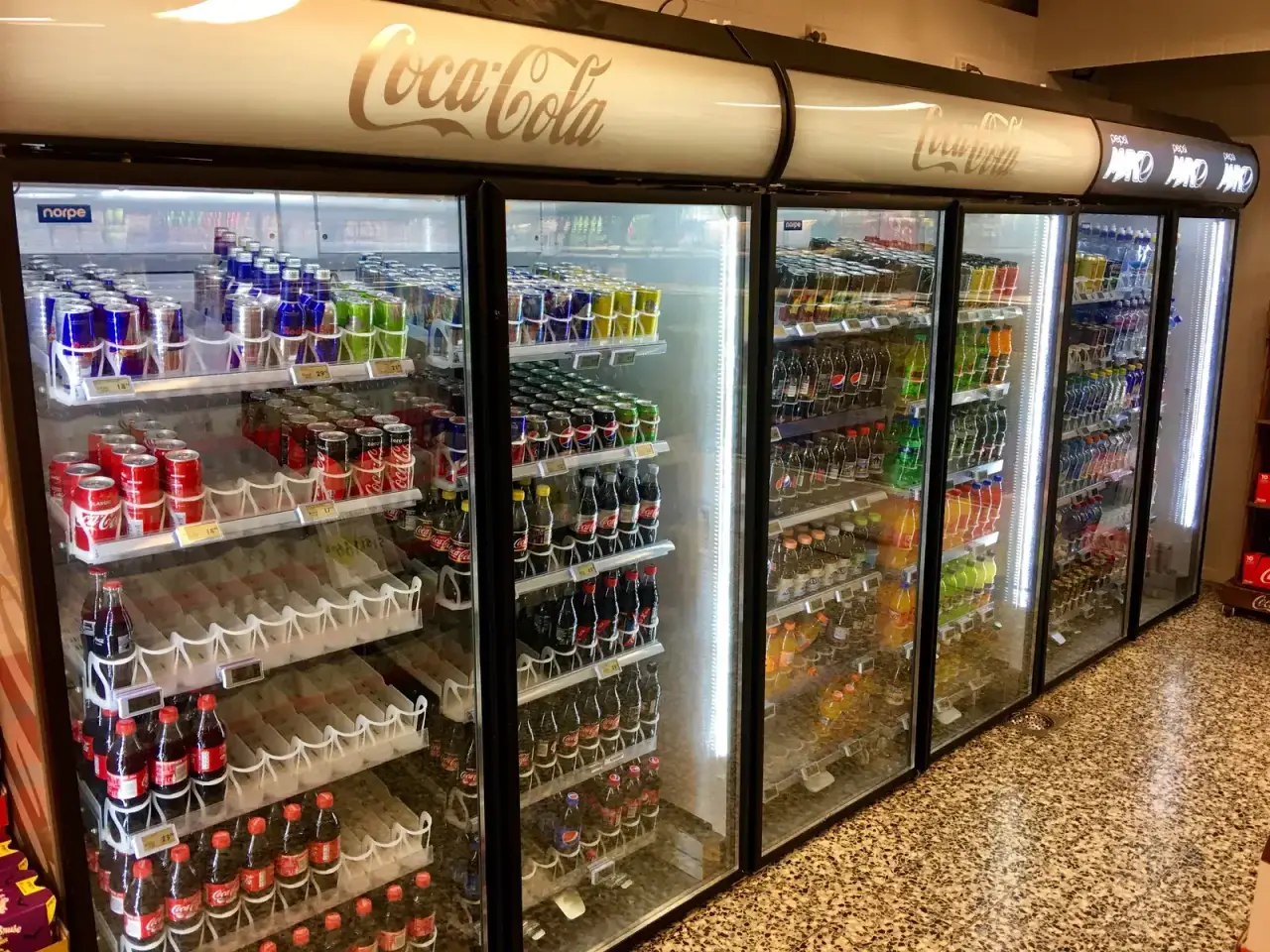
Repair or replace is a numbers question, not a loyalty question. Three numbers decide it: the age of the unit, the cost of the repair against the cost of a comparable new unit, and what the failure itself tells you about the years left in the box. Most commercial refrigerators that die mid-service are worth repairing. A smaller group genuinely is not, and a good technician will tell you which group yours is in before you spend anything beyond the diagnosis.
Here is the framework we use on real service calls, including the cases where we tell a customer to stop putting money into a unit.
Start with age, but in context
A maintained commercial reach-in typically serves 10 to 15 years. Hard-used units in hot kitchens with dirty coils die earlier; lightly loaded units in air-conditioned spaces go longer. So the first question is not just how old the unit is, but how it has lived. A seven-year-old cooler that has never had its condenser cleaned may be more worn than a twelve-year-old unit that gets regular maintenance.
Age matters mostly as a multiplier on everything below. The same compressor quote that makes sense on a five-year-old unit is a bad bet on one from 2010.
The failed part matters more than the birthday
Commercial refrigeration failures sort cleanly into cheap, moderate and expensive, and the category tells you more than the age does.
- Cheap and always worth doing: door gaskets, hinges, thermostats and controls, start relays and capacitors, evaporator and condenser fan motors, defrost timers and heaters. These are wear items. Replacing them is normal upkeep, not a sign the unit is dying.
- Moderate, usually worth doing: evaporator coil repairs, control board replacement, fixing a single accessible refrigerant leak and recharging.
- Expensive, decision time: compressor replacement, or a leak buried in the cabinet insulation where the repair means major surgery.
One more signal: a second sealed-system failure on the same unit. A compressor that fails again soon after replacement, or a system that keeps losing charge after a leak repair, is telling you the system is contaminated or corroding from the inside. That pattern changes the math regardless of age.
The 50 percent rule, used honestly
The common rule of thumb says that when a repair costs more than half the price of a comparable new unit, replacement deserves a serious look. It is a decent starting point, as long as both sides of the comparison are complete.
The replacement side is never just the sticker price. Add delivery, possibly weeks of lead time on commercial equipment, haul-away and disposal of the old unit, and installation. For built-in or remote-condenser equipment, add the trades needed to connect it. The repair side, meanwhile, buys you a unit you already know, already fits the line, and is back to work the same day the part goes in. Downtime has a cost too, and it usually argues for the fastest path to cold, which is most often the repair.
When replacement honestly wins
A repair-first shop still recommends replacement in a handful of situations, because fixing the wrong unit wastes your money twice:
- Repeated sealed-system failures, as above. Chasing leaks through a corroded system is a subscription, not a repair.
- A rusted-out cabinet or failed insulation. When the box itself sweats, rusts through or will not hold cold, no mechanical repair fixes that.
- Parts no longer available, which happens with orphaned brands and very old models.
- A unit so inefficient or undersized for the job that it runs flat out every day. Right-sizing can pay for itself in utility bills and spoilage risk.
If none of those apply, the repair is usually the rational choice, and it is the one we quote first.
A worked example
Say a six-year-old two-door reach-in stops cooling. Diagnosis finds a failed condenser fan motor and a filthy coil. That repair is a small fraction of replacement cost, so the decision makes itself. Same unit, but the compressor is dead and a comparable new box runs a few thousand dollars: now you weigh the compressor quote against half that figure, factor the unit's maintenance history, and check the cabinet and door condition. Solid cabinet, first major failure, clean history: repair. Rusting floor panel and a gasket held on with tape: put the money toward the new unit.
Five questions to ask before you approve any quote
- What exactly failed, and is it a wear item or a sign of a deeper problem?
- What is the full installed cost of a comparable replacement, including delivery, installation and disposal, not just the catalog price?
- How long until a replacement could actually be in place and cold? Lead time is part of the cost.
- What condition are the cabinet, insulation and door in? A sound box argues for repair; a rotten one argues against.
- Will the repair carry a warranty? A warrantied repair on a sound unit is a very different bet from a handshake fix.
If whoever is quoting you cannot answer these directly, get a second opinion before spending either way.
What a diagnosis costs and what it buys
You cannot make this decision on symptoms alone, and neither can anyone quoting you a new unit over the phone. Doctor Fridge runs commercial refrigerator repair calls across Sarasota, Manatee and Charlotte counties for a $150 service call that covers the trip and the diagnosis, with the repair quoted before any work begins. We service the brands common in local kitchens, including True, Turbo Air, Atosa, Beverage-Air, Maxx Cold and Dukers, and the work carries a parts and labor warranty. Full rates are on the pricing page.
If the honest answer is replace, that is the answer you will get, along with what size and configuration actually fits the job. Repair first does not mean repair always. It means the diagnosis, not the sales commission, makes the call.