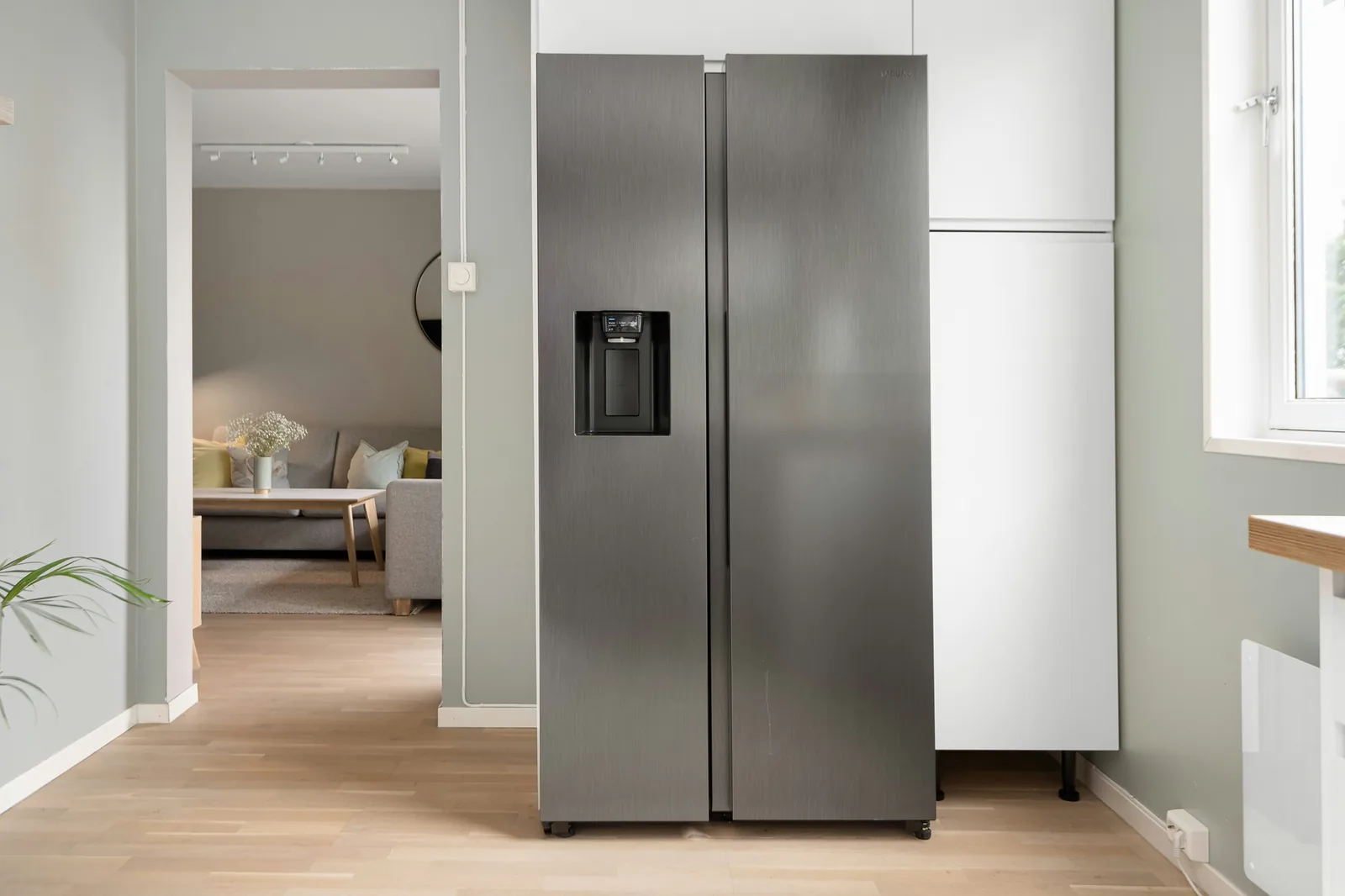
LG refrigerators are built differently from most of what came before them. At the center is a linear compressor, which moves a piston back and forth instead of spinning like a conventional rotary unit, paired with an inverter control board and a lot of sensors. When an LG runs well, that design is quiet and efficient. When it goes wrong, the symptoms and the fixes are specific to the platform, so it helps to know which complaints are a quick setting or cleaning and which point to the sealed system. Here are the ones owners run into most.
Not cooling, but the lights and fans work
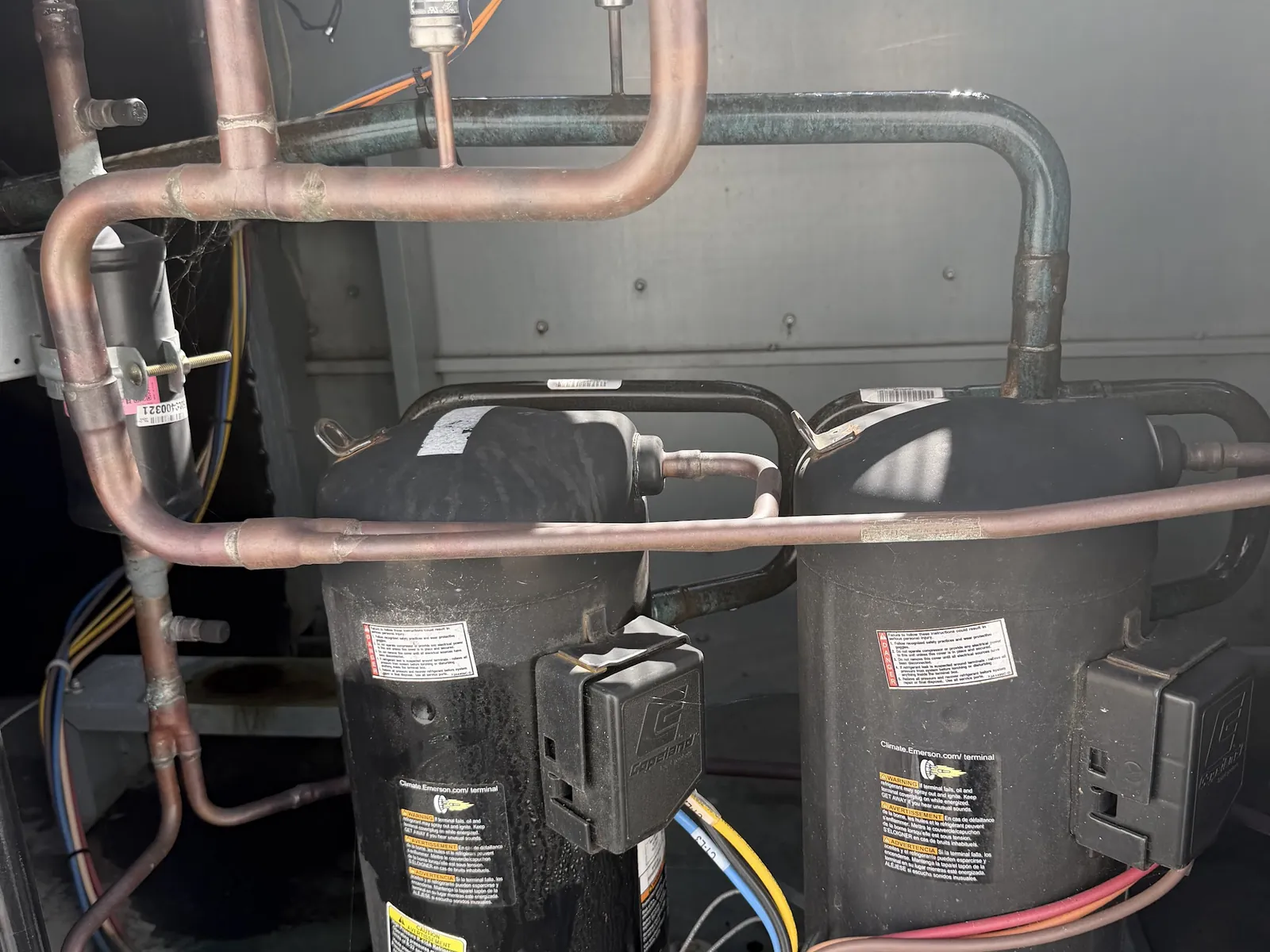
The most reported LG problem is a refrigerator that powers on, the interior light and fans work, but neither compartment gets cold. On these units the first thing a technician rules out is the linear compressor and its drive, because a compressor that is running electrically but not building pressure, or not starting at all, produces exactly this symptom. Before assuming the worst, though, check the simpler causes: a condenser coil choked with dust, a condenser fan that has stopped spinning, or a refrigerator set up against a wall with no room to shed heat. If the coils are clean, the fan runs and it still will not cool, it is a sealed-system diagnosis, not a DIY fix.
Freezer cold, fridge warm
When the freezer holds fine but the refrigerator section drifts warm, the problem is usually airflow or defrost, not the compressor. Most LG models cool the fridge with air routed from the freezer through a damper and a duct. If the evaporator behind the freezer's back panel has iced over because the defrost heater or sensor failed, airflow to the fridge chokes off and the upper compartment warms while the freezer stays cold. A failed evaporator fan does the same thing. This one is common and fixable, but it needs the back panel off and the defrost components tested.
Water leaking inside or under the unit
Water pooling in the bottom of the fridge or on the floor usually traces to the defrost drain. The small drain that carries meltwater away during each defrost cycle clogs with ice or debris, and the water backs up instead of draining to the evaporation pan underneath. Clearing it is often a homeowner job: thaw the drain with warm water and flush it clear. On models with a plumbed water line, also check the inlet valve and the line fittings for a drip, which is a different leak with a different fix.
Ice maker not producing
Ice-maker complaints are among the most frequent on any brand, LG included. Work from the outside in: confirm the water line is connected and the supply valve is open, check the water filter, which should be changed about every six months and will choke ice production when it is overdue, and make sure the freezer is cold enough, because an ice maker needs the compartment well below freezing to cycle. If water is reaching the unit and the freezer is cold but no ice forms, the ice maker assembly or its control may have failed, which is a replaceable part.
Noises, and what they mean
A linear compressor has a different sound signature than people expect, so some noise is normal. A faint humming or a soft clicking as the inverter adjusts speed is routine. What is not routine is loud knocking, buzzing or a rhythmic banging, which can indicate a compressor problem, or a persistent rattle, which is often just the drain pan or a fan blade touching frost. If the sound is new and loud and the fridge is also struggling to cool, treat it as a sign to call rather than to wait.
Resetting the control
Electronics occasionally glitch, and a reset is a reasonable first step for odd display or control behavior before assuming a part has failed. The simplest reset is to unplug the refrigerator for a few minutes and plug it back in, which power-cycles the main board. Some models also have a panel reset sequence in the owner's manual. A reset will not fix a mechanical fault, but it costs nothing to try and occasionally clears a false error.
Check the compressor warranty before you pay
One piece of advice that saves LG owners real money: before authorizing any paid compressor or sealed-system repair, dig out your purchase paperwork and check the warranty. LG has historically backed its linear compressors with a long manufacturer warranty on the sealed system, often well beyond the one-year coverage on the rest of the appliance. If your unit still falls inside that window, the compressor itself may be covered even if the labor is not, which changes the repair-versus-replace math completely. A reputable technician will ask about this rather than quote you full price for a part the manufacturer may owe you.
Keeping an LG healthy
Most of what shortens an LG's life is avoidable. Clean the condenser coils a couple of times a year so the compressor is not fighting a blanket of dust. Give the unit a few inches of clearance so it can shed heat. Change the water filter on schedule to protect ice and water production. Keep the door gaskets clean and sealing so the system is not running constantly against infiltrated warm air, and avoid overpacking the compartments in a way that blocks the internal vents. A surge protector is cheap insurance for the control electronics against Florida's storm-season power events, which are hard on inverter boards.
What is DIY and what is not
A fair amount of this list is homeowner territory: cleaning the condenser coils, clearing a defrost drain, changing the water filter, giving the unit room to breathe, and power-cycling the control. Where it stops is the sealed system. Anything involving the linear compressor, refrigerant, or a diagnosis that the charge is low requires an EPA-certified technician by law and the right tools, and a compressor or sealed-system fault is also the point where repair-versus-replace becomes a real question on an out-of-warranty unit. A good technician will tell you honestly which side of that line your fridge is on.
When to call Doctor Fridge
If the simple checks do not bring your LG back, Doctor Fridge handles refrigerator repair and broader residential and commercial refrigeration across Sarasota, Manatee and Charlotte counties, including Sarasota and our Venice home base. The residential service call is $120, the diagnosis is honest, and any repair is quoted before work begins. Why customers choose us: repair first, warranty-backed, no upsell to a new unit when the old one is worth fixing. Florida license CAC1815692.