Southwest Florida does not really have four HVAC seasons. It has a long, punishing cooling season and a short mild stretch, with hurricane season laid over the top from summer into fall. The seasonal maintenance checklists written for cold climates mostly do not apply here, so this guide follows the year as it actually runs in Sarasota, Manatee and Charlotte counties, with the specific tasks that matter in each stretch, including the storm and coastal care that northern guides never mention.
Spring: the one appointment that matters most
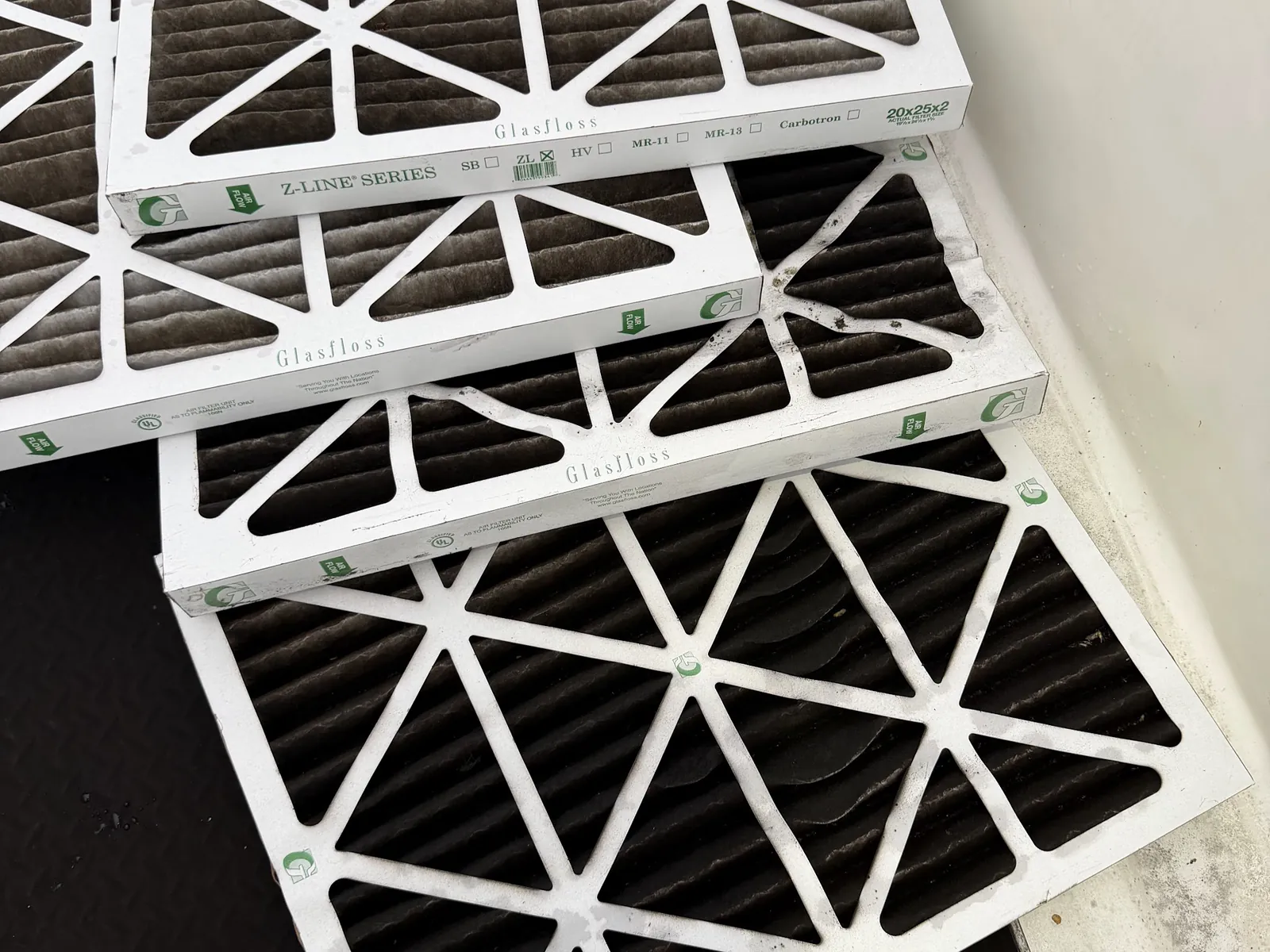
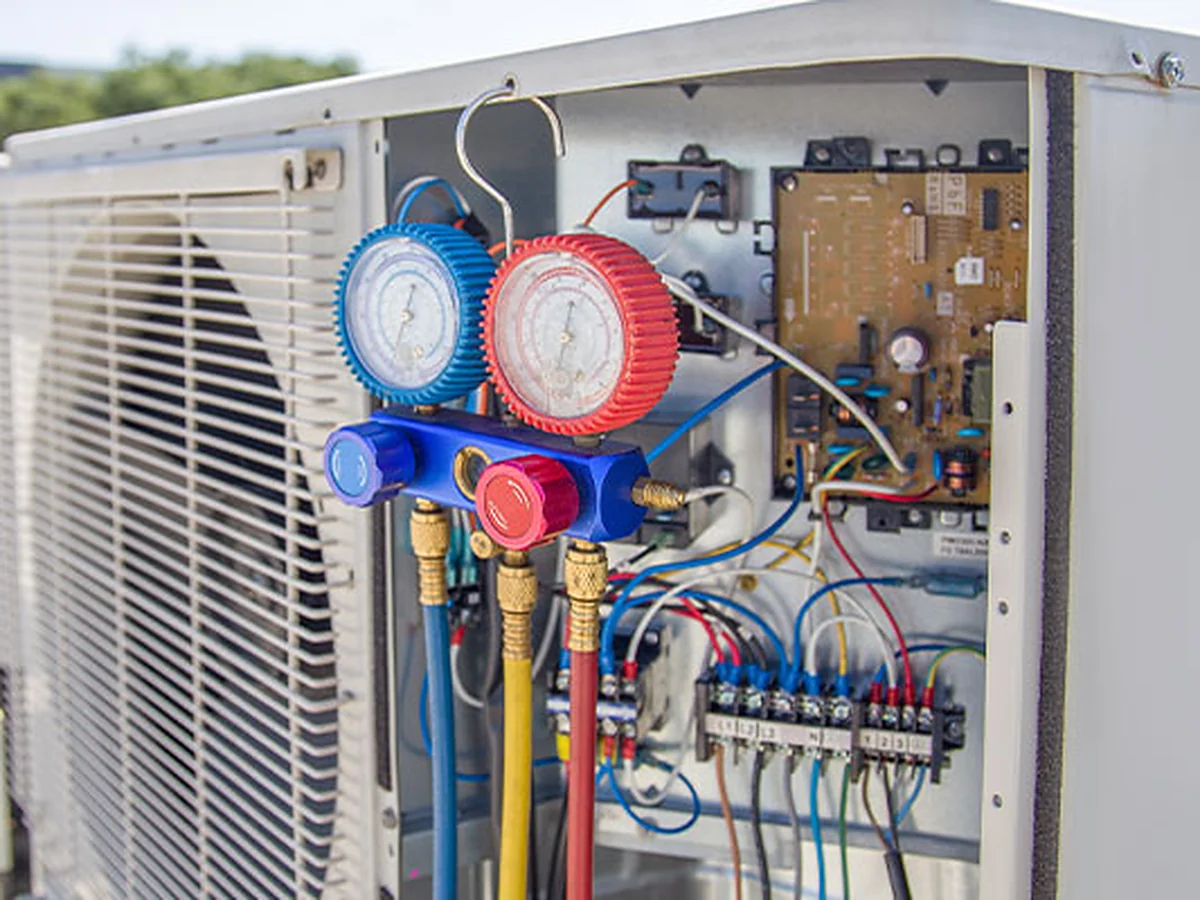
Spring is the single most important time to service your AC here, because everything that follows leans on it. Before the heat settles in, the system should get a full tune-up: a cleaned condenser coil, a tested capacitor and contactor, a checked refrigerant charge, a cleared condensate drain and a fresh filter. Catching a weak capacitor or a drifting charge now is a routine repair; discovering it during the first 95-degree week is an emergency. If you book one service all year, book it in spring. Our AC maintenance page covers what the visit includes.
Summer: run hard, watch closely
Through the long summer the system runs nearly nonstop, so the job is to keep its path clear and watch for early trouble. Change the filter more often, monthly if the house is dusty or full, because restricted airflow is the fast track to a frozen coil in peak heat. Keep the outdoor unit clear of grass clippings and growth, and rinse the coil gently if it looks dirty. Rising bills, longer run times or uneven cooling are the system telling you something is drifting, and summer is when a small fault turns into a breakdown fastest.
Hurricane season: protect the outdoor unit
Storm season overlaps the summer heat, and it brings risks that have nothing to do with normal wear.
- Before a storm, shut the system off at the thermostat and the breaker. Lightning and the power surges that come with an unstable or restored grid are a leading cause of fried control boards and compressors, and a system that is off is far better protected.
- Do not tie down or cover the running condenser, but clear the area of anything that could become a projectile against it.
- After the storm, if the unit was flooded or submerged, do not switch it on. Water in the electrical and refrigerant components needs a technician's inspection first; powering up a flooded unit can destroy it.
- Once power is stable, turn the system back on at the breaker, give it a few minutes, then call for cooling and listen for a clean start.
The mild stretch: heat pumps and a reset
The cooler months are short and gentle here, but they are not nothing. Homes with a heat pump will run it in heating mode on the cool nights, and the reversing valve and defrost side of the system get their only real workout then, so a system that heats poorly or sounds off is worth checking while the stakes are low. For everyone else, the lighter load is a good moment to replace the filter, flush the drain again and clear any growth that crept up around the outdoor unit over the summer.
Coastal homes need extra attention
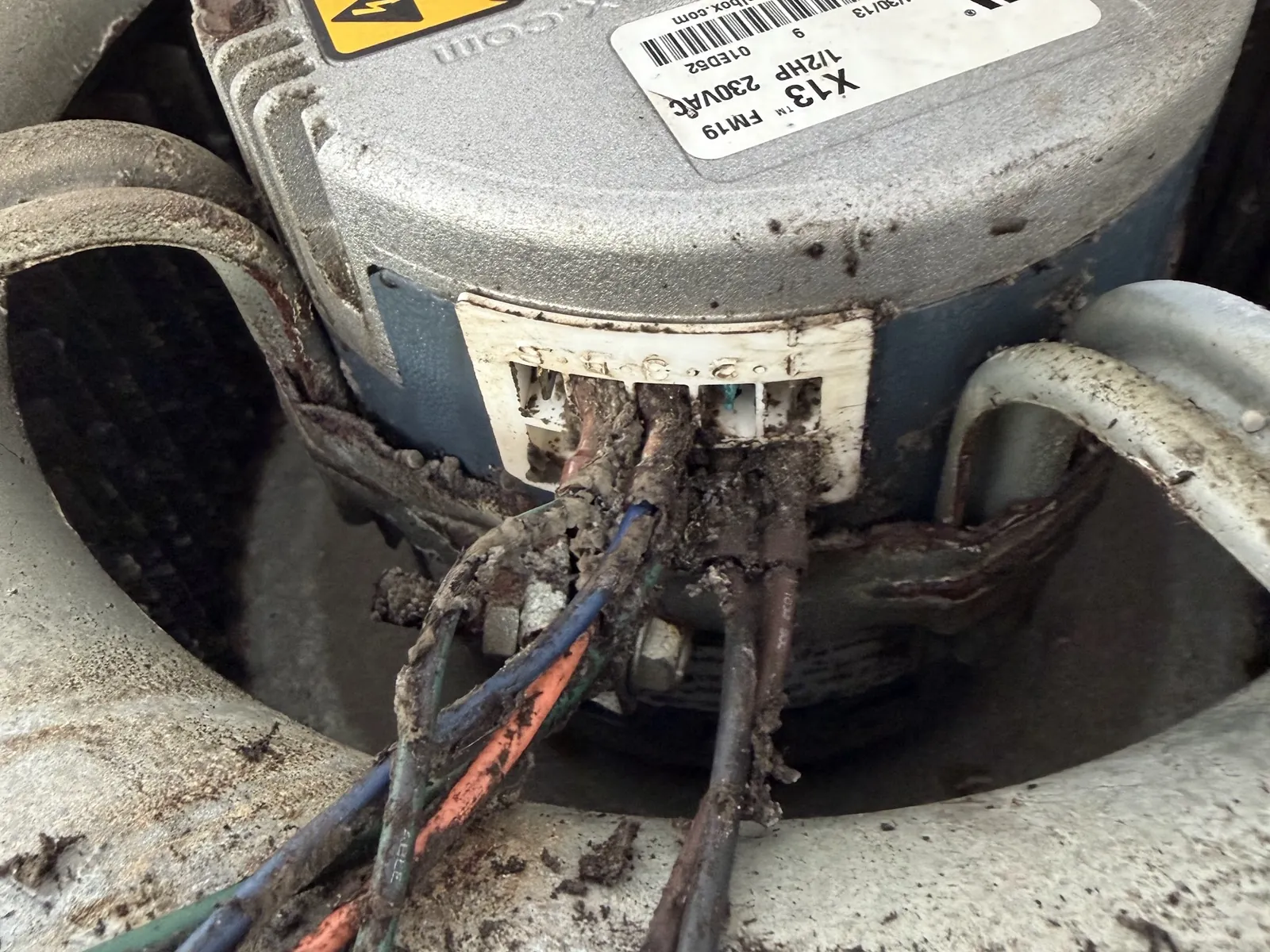
If you are near the water on Siesta Key, Longboat Key, Englewood or the barrier islands, salt air is a constant background attacker. It corrodes condenser coils and eats at electrical contacts faster than it would inland, so coastal systems earn more frequent coil cleaning and electrical inspection. Rinsing the outdoor coil with fresh water periodically slows the salt damage, and twice-a-year professional service is the sensible baseline this close to the Gulf.
Pollen, cottonwood and lawn debris
One Florida nuisance deserves its own mention: the outdoor condenser coil is a magnet for pollen in spring, cottonwood fluff in early summer, and grass clippings every time the lawn is mowed. A coil matted with any of it cannot shed heat, which raises operating pressures, cuts cooling capacity and makes the compressor work harder for the same result, right when you need it most. Aim the mower discharge away from the condenser, keep shrubs and vegetation trimmed back a couple of feet on all sides, and rinse the coil gently with a hose when you can see buildup on the fins. It is one of the easiest things a homeowner can do to hold efficiency through the growing season. If the fins are bent or packed solid, leave that to a technician with proper coil cleaner and a fin comb rather than a pressure washer, which flattens the delicate aluminum fins.
Snowbird shutdown and startup
Seasonal residents should not simply switch the AC off and fly north, because a closed-up Florida house with no dehumidification grows mold fast. Leave the system set to hold a moderate temperature, or use a thermostat or humidistat that keeps humidity in check while you are away, and have someone change the filter and check for leaks periodically. A pre-departure and a return-season service visit bracket the empty months and catch anything that developed while no one was home to notice.
When to call
Whether you need a spring tune-up, a post-storm inspection or a startup check on a seasonal home, Doctor Fridge provides AC maintenance, repair and after-hours emergency service across Sarasota, Manatee and Charlotte counties, including Sarasota and Venice. Same-day service is available, the residential service call is $120, any repair is quoted before work begins, and the work carries a parts and labor warranty. Florida license CAC1815692.