A real air-conditioning tune-up is a dozen specific checks, not a quick look and a filter swap. Done properly it catches the small faults (a weakening capacitor, a drifting charge, a clogging drain) while they are still cheap, which is the whole point of maintenance: it is how you avoid the July breakdown. This guide lays out exactly what a thorough tune-up covers, why each step matters in Southwest Florida's climate, and how to tell a genuine service from a quick visit dressed up as one.
Why maintenance is repair-first, not an upsell
Maintenance and the repair-first approach are the same idea seen from different ends. A tune-up finds the failing part before it strands you, keeps the system running efficiently, and extends its useful life so that replacement stays years away. A tuned system uses less power to do the same work, and in a climate where the AC runs most of the year that adds up on every bill. We cover the service itself on our AC maintenance page; this is what happens during the visit.
The electrical checks
A large share of summer breakdowns are electrical, and heat is what kills these parts, so a real tune-up spends time with a meter.
- Test the capacitor against its rated value. A capacitor reading low is the most common part found weakening on a tune-up, and replacing it before it dies prevents a no-start call on the hottest day.
- Inspect the contactor for pitted or burned contacts and for insects, which are drawn to it and short it out.
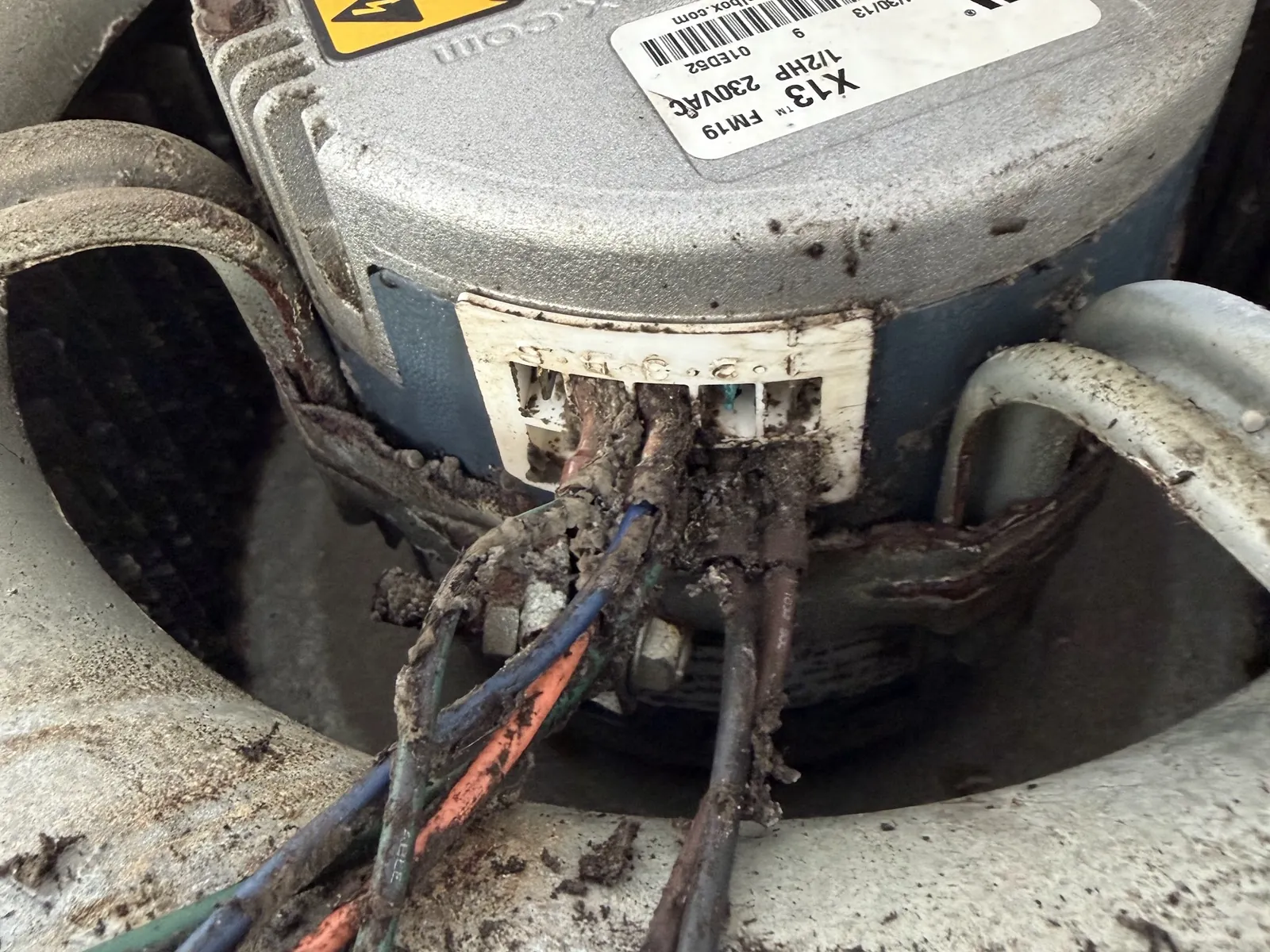
- Tighten electrical connections, because loose lugs overheat and fail, and check that the motors are drawing current within their rated range.
The coils, airflow and drain
This is where Florida's humidity and growth do their damage, and where a thorough visit earns its keep.
- Clean the condenser coil. The outdoor coil mats with dust, grass clippings and cottonwood, and once it cannot reject heat the pressures climb, cooling drops and the compressor runs hot.
- Inspect the evaporator coil indoors for dirt and for ice, which points to an airflow or charge problem.
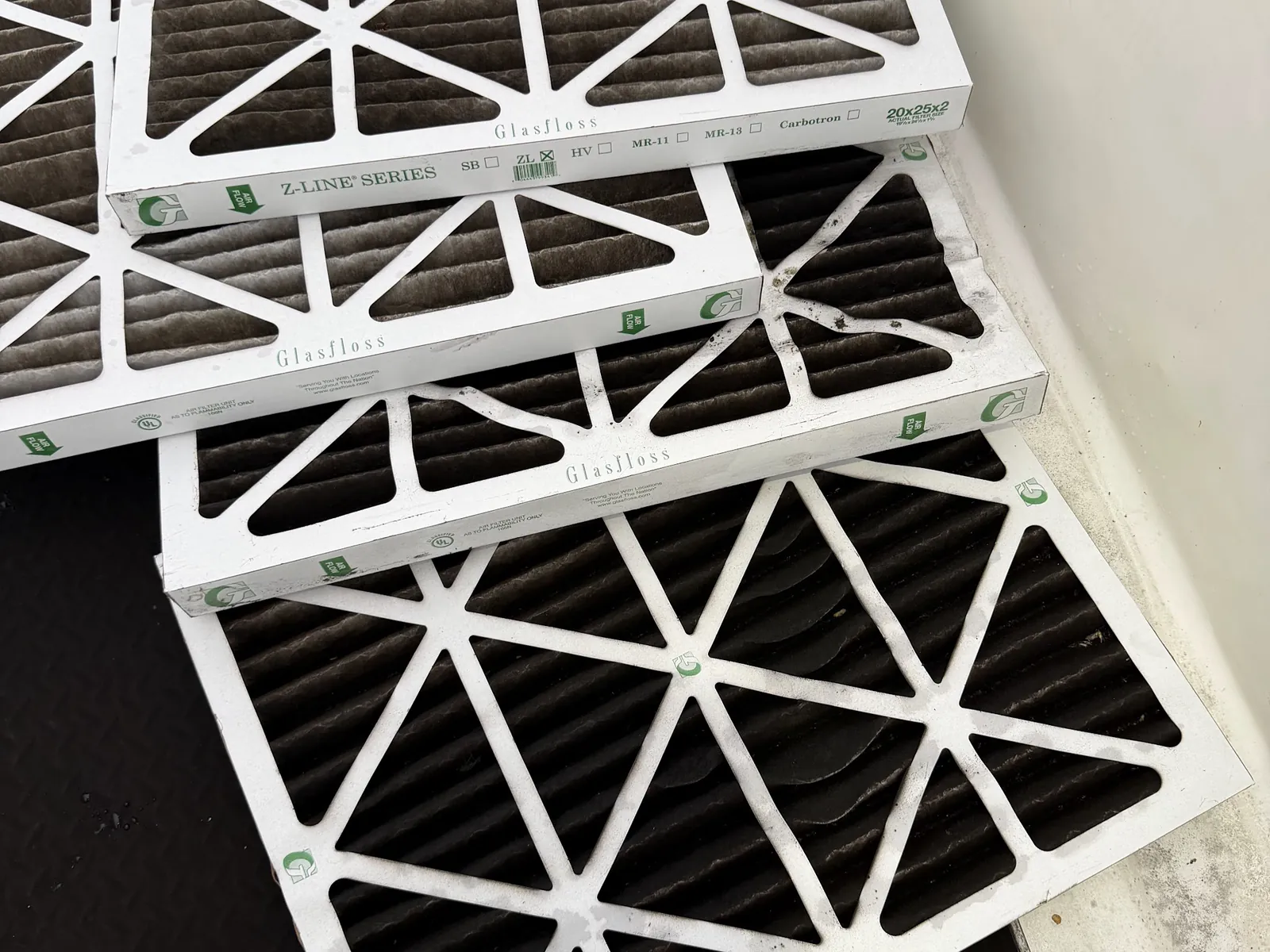
- Check airflow and the filter. A restricted filter or blower starves the coil and freezes it, so the filter is replaced and the blower checked.
- Clear and treat the condensate drain. In a humid climate the drain line grows algae and clogs, and a clog either backs water into the home or trips the float switch and shuts the system down. Flushing it is five preventive minutes against a ceiling stain.
The refrigerant and performance checks
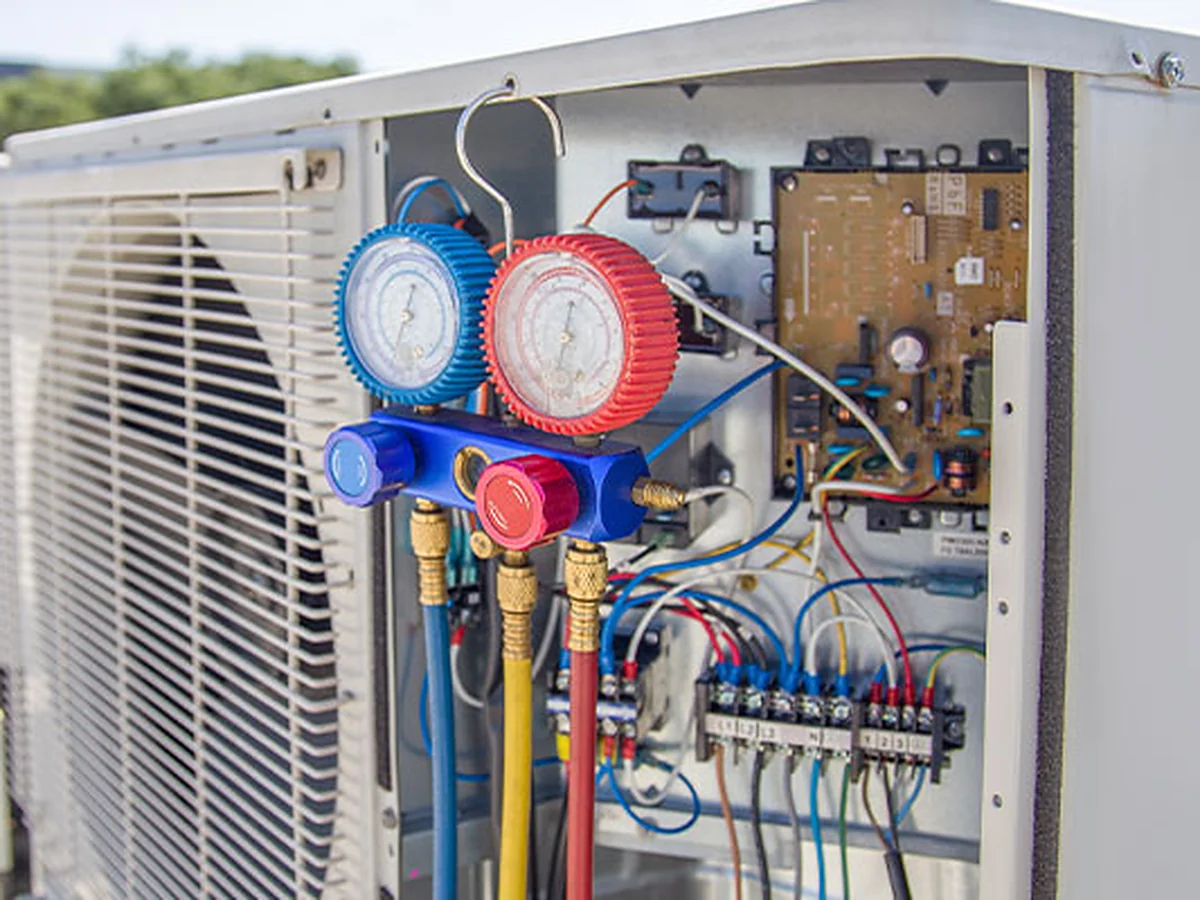
A sealed system does not use up refrigerant, so a tune-up does not routinely add any. What a good technician does is put gauges on the system and take superheat and subcooling readings to confirm the charge is correct and the system is performing to spec. If those numbers say the charge is low, that is evidence of a leak to be found and repaired, not a cue to top off and move on. A shop that recharges every system it touches is masking leaks rather than servicing the equipment.
Controls and a documented result
The visit finishes by confirming the thermostat is calibrated and cycling the system correctly, checking the temperature split between the return and supply air to confirm it is actually cooling as it should, and running the unit through a full start-to-stop cycle. A professional leaves you with the readings and a note of anything worth watching, so you have a record rather than a vague assurance that everything looked fine.
How to spot a shortcut
A cut-rate tune-up is easy to recognize once you know the real one. If the technician changes the filter, glances at the unit and is gone in ten minutes with no meter, no gauges and no readings, you did not get a tune-up. Two tells in particular: no electrical testing of the capacitor and contactor, and a reflexive refrigerant top-off with no leak discussion. Those are the two things a genuine service always includes.
What a tune-up will not fix
Maintenance is powerful, but it is honest to say what it cannot do. A tune-up keeps a sound system healthy and catches parts on their way out; it does not rescue a system that was undersized or badly installed, and it does not make a 16-year-old compressor young again. If a unit struggles even when it is clean, correctly charged and moving air properly, the limitation is the equipment or the ductwork, not the servicing, and that is a different conversation about repair or replacement.
How often, and what it costs
In Southwest Florida, a once-a-year tune-up in spring is the sensible baseline for most homes, with twice-yearly service for older systems or coastal homes where salt accelerates wear. A tune-up is far cheaper than the breakdown it heads off: the $120 residential service call covers a technician's time, and anything beyond a routine service, a failing capacitor caught on the visit, for instance, is quoted before it is replaced.
When to call
If your system has not been serviced before this cooling season, or it is cooling weakly, running long or showing water at the indoor unit, book a real tune-up rather than waiting for a breakdown. Doctor Fridge provides AC maintenance and repair across Sarasota, Manatee and Charlotte counties, including same-day service for homes in Venice and the surrounding communities. The residential service call is $120, any repair is quoted before work begins, and the work is backed by a parts and labor warranty. Florida license CAC1815692.